Showing posts with label junk food. Show all posts

Saturday, March 21, 2026

AIMC Health Tip - Why the Marketing Crappy Products Promote Bad Health -

 Marketing "crappy" or harmful products can negatively impact both physical and mental health by promoting unhealthy behaviors, causing financial stress, and creating psychological pressure.


Physical Health Impacts
Marketing for products with poor quality—specifically ultra-processed foods (UPFs) and "junk" items—is directly linked to several adverse health outcomes:
  • Chronic Diseases: Regular consumption of marketed unhealthy products like tobacco, alcohol, and high-fat/sugar foods contributes to noncommunicable diseases (NCDs), including obesity, type 2 diabetes, and cardiovascular issues.
  • Manipulative Food Choices: Advertising for junk food often targets children, increasing their desire for and consumption of low-nutrient, high-calorie products.
  • "Healthwashing": Some marketing uses misleading claims—like "low fat" or "contains whole grains"—on poor-quality processed products to make them appear healthier than they are, undermining informed nutritional choices.
Mental and Emotional Health Impacts
Aggressive marketing for low-quality or unnecessary products can also damage psychological well-being:
  • Anxiety and Low Self-Esteem: Marketing often creates unrealistic lifestyle or appearance standards, leading to social pressure, dissatisfaction, and anxiety.
  • Financial Stress: Persuasive tactics can encourage consumers to spend beyond their means on "crappy" products, leading to debt and significant financial burden.
  • Promotion of Materialism: Constant exposure to ads for low-value products can foster a belief that happiness is tied strictly to consumption, which is often linked to decreased long-term life satisfaction.

Sunday, September 28, 2025

AIMC Health Tip - The American Diet vs The European Diet. Why are Americans So Unhealthy?

When you compare how Americans eat versus Europeans, the differences are striking—and the health outcomes show it.


In the U.S., convenience often trumps nutrition. Processed foods, oversized portions, sugary drinks, and fast-food culture dominate daily diets. Add in a reliance on packaged meals and you get higher rates of obesity, diabetes, and heart disease. Meanwhile, much of Europe takes a different approach. Meals are smaller, slower, and fresher. Local produce, lean proteins, olive oil, and whole grains make up much of the diet—especially in Mediterranean regions. Food isn’t just fuel; it’s a social ritual, often shared with family and friends. The result? Europeans generally live longer, healthier lives with fewer chronic illnesses tied to diet. The lesson: Health isn’t just about access to food—it’s about the quality, culture, and habits around it. Until Americans rethink convenience and portion size, the health gap will remain wide. Want some great diet ideas with our recipes? https://www.gotrim.com/allinmycart/resources/recipes/?


Saturday, August 9, 2025

AIMC Health Tip -Why Marketing So Called Perceived Healthy Products Is Bad For You


You see it all the time in your local supermarket - diet soda, low fat milk, lite salad dressing and protein added to my cereal and think you are a health nut buying the right foods. But you are not and there are many reasons why.


Marketing so-called “perceived healthy” products can be bad for you for three main reasons: 1. Misdirection Through “Healthwashing” Brands often focus on one healthy-sounding feature while downplaying—or completely hiding—less healthy aspects. Example: “Low fat” snacks that are loaded with added sugar. The marketing primes you to associate the product with wellness, so you don’t question the rest of the ingredients. 2. Psychological Halo Effect When something is labeled “organic,” “gluten-free,” or “natural,” many people automatically assume it’s healthy in all respects. This “health halo” can make you eat more of it, consume extra calories, or ignore nutritional balance. Ironically, you may end up worse off nutritionally than if you’d just eaten a regular version in moderation. 3. Erosion of Informed Choice Aggressive marketing can make it harder for consumers to tell what’s actually good for them. You’re more likely to buy based on branding, influencer endorsements, or packaging rather than reading labels. This can normalize highly processed, sugar-laden, or chemically engineered foods as “everyday healthy options.” Some examples of marketed food and drink that is not good for you is as follows:
  • Diet Soda - Diet soda isn’t a magic bullet for weight loss or health—it’s more like trading one set of problems (high sugar) for another (sweetener-related metabolic and appetite issues). Occasional consumption is unlikely to harm you, but daily use can stack up hidden risks over time.
  • Lite Salad Dressing - “Lite” salad dressings may cut fat and calories, but they often replace fat with sugar, salt, and processed additives. Without healthy fats, your body can’t absorb important fat-soluble vitamins from your vegetables, meaning you lose nutrition while eating more artificial ingredients. Plus, the “lite” label can lead to over-pouring, canceling out any calorie savings. In most cases, a small amount of regular dressing made with real healthy oils is far better for you than a big serving of lite dressing.
  • Protein Added to Cereal - Protein added to cereal can sound healthy, but it’s often from cheap, processed sources like soy protein isolate or whey powder, which can be hard to digest and stripped of other nutrients. To make it taste good, manufacturers usually add extra sugar, artificial flavors, or sweeteners, turning the cereal into a highly processed product.
Bottom line: The danger isn’t just in the product—it’s in the perception shift. When marketing convinces you that a less-than-healthy option is a health boost, you stop looking critically at what you’re consuming. Over time, that can lead to poor nutrition, weight gain, and even chronic health issues.


Friday, November 11, 2022

Foods You Thought Were Bad For You But Aren't

There is always a perception with certain foods that they are bad for you. 


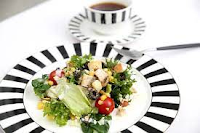
In some cases, it is what you put on or mix the food with, is that is bad for you. Think about that healthy salad. The contents of the salad itself is good for you, but that fatty ranch dressing is not. Another example is black coffee. Coffee straight is really good for your metabolism. But what do you put in coffee? Can you say Cream and Sugar? Yikes. 


 Here are some foods you thought were bad for you but aren't: 
- Macadamia Nuts - A great source of trace minerals that are important for many functions including thyroid health and bone health including zinc, magnesium, calcium, chromium, and iron. 
- Egg Yolks - Contain nutrients like lutein that can help prevent macular degeneration, and also contains others like vitamins A, E, D and some brain-healthy fat too amongst other things. 
- White Potatoes - Contain about twice as much heart-healthy potassium, which helps to balance blood sugar and supple electrolytes to muscle, than sweet potatoes do, and they actually contain more fiber too. 
- Dark Chocolate - Contains heart-healthy flavonoids that may also help to prevent age-related memory loss. 
- Popcorn - Made from scratch! 


 There are also some honorable mention foods such as coconut oil and red meat that are good for you. 

 Check our Healthy Recipes page on our TLS site for AIMC Health Solutions here - https://bit.ly/3tmU8oD


Check out our new YouTube video - AIMC Health Tip - #Diet - Foods You Thought Were Bad For You But Aren't -


Saturday, October 15, 2022

The Longer The Shelf Life, The Shorter Your Life

A recent study concluded that cutting down on the amounts of ultra-processed foods could help us live longer. They defined ultra-processed foods as ready-to-eat and microwaveable foods such as these popular choices.
- Breads - Breakfast cereals, - Instant noodles - Chicken or fish nuggets, - Chocolate bars and candies, - Artificially sweetened beverages


Researchers found the more ultra-processed foods eaten, the higher the risk of a heart attack or stroke. The people who ate the most processed foods were 23 percent more likely to have cardiovascular issues than the ones who ate less processed foods.


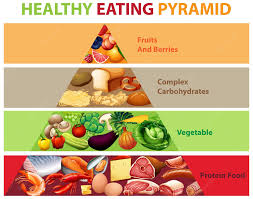
Where to Begin? Drinking less sugared drinks and more waters or teas may be a great place to start moving away from unprocessed choices. Follow that with all of the fresh fruit that you enjoy. Berries, apricots, apples, pineapple, bananas, cherries, and grapes are just a few of the choices to include in every meal. Add them to breakfast, include them with lunch sandwiches and salads, and make room for them at dinner in fruit salads, side dishes or tarts. Then start expanding the number and variety of vegetables that you eat. Try new ones, find more recipes for your favorites, and make sure they are there for breakfast, lunch and dinner. A veggie omelet, multi-vegetable lunch salad and dinner featuring veggie lasagna, black bean tacos or white bean chili might be good starting menus.


Wherever you are with processed foods, consider making more room for fresh whole foods to enjoy better health. Check out our video - AIMC Health Tip - #Diet - The Longer The Shelf Life, The Shorter Your Life - for some other tips to live a healthy longer life and don't forget to take the Health Survey at http://www.aimchealthsolutions.com
. Also check out the Recipes page for some great meal ideas.


Tuesday, October 26, 2021

You Want More Time and Energy? Invest in Your Health!

You always hear the saying "Health Is Wealth". Investing in your health is not free. You invest in supplements, fitness and great food and it is all worth it since you will have more energy and and extended happy life. The goal in life is to invest in assets. Time is as an asset that doesn't come back and you probably want to spend your time doing the things you always wanted to do like sports, travel, family or music.

Yes your health is an investment. If you rather go to that movie or out to expensive dinner, or spend money on something else that is not buying you time, you need to be aware that there is a price to that. It is lack of energy and expensive health bills.

If you don't invest in your health now, you will be spending a lot more money on meds, doctor appointments and basically doing nothing since you will have no energy! It has been said that 85% of medical expenses are spent in the last 10-20 years of your life. You may think you are saving money now by not investing in your health, but you will pay later.


So do an assessment on what you spend your money on.  Do you spend $10 a day on a couple of Starbucks?  The average daily vitamin dose is less than $1 a day.   Do you spend $15 on a fast food dinner?  For less than $10, you can make a healthy salad with lean meat.  How about that $6 ice cream or diet coke?  Instead for less than $2 a nutrition shake, you get your sweet fix and some nutrients at the same time.  It is your choice, so stop wasting time and energy and invest in your health.


- Check out our video on our DeSocial Connector You Tube Channel -

Get Started Investing in Your Health by changing your lifestyle here - http://www.aimchealthsolutions.com

Market Like a Hotshot Podcast - Episode 72 LIVE - Pawtucket Like a Hotshot

  Episode 72 takes Market Like a Hotshot on the road straight to Pawtucket, Rhode Island for our first-ever live episode recorded in the Oce...