Cardiovascular exercise—such as walking, running, cycling, or swimming—improves heart health, increases endurance, burns calories, and can help reduce the risk of conditions like high blood pressure, diabetes, and heart disease. Cardio is also an effective way to boost mood and reduce stress. Strength training, including weightlifting, resistance bands, or bodyweight exercises, builds muscle, strengthens bones, improves balance, and supports a healthy metabolism. As we age, maintaining muscle mass becomes increasingly important for preserving mobility, preventing injuries, and maintaining independence. So, which is better?
Business Networking - Entrepreneurship - Health/Wellness - Digital Marketing - Music & The Scene!
Saturday, June 20, 2026
AIMC Health Tip - Cardio vs. Strength Training? What is Better for You?
Cardiovascular exercise—such as walking, running, cycling, or swimming—improves heart health, increases endurance, burns calories, and can help reduce the risk of conditions like high blood pressure, diabetes, and heart disease. Cardio is also an effective way to boost mood and reduce stress. Strength training, including weightlifting, resistance bands, or bodyweight exercises, builds muscle, strengthens bones, improves balance, and supports a healthy metabolism. As we age, maintaining muscle mass becomes increasingly important for preserving mobility, preventing injuries, and maintaining independence. So, which is better?
Saturday, April 18, 2026
AIMC Health Tip - The Road To Great Health Is a Marathon Not a Sprint
The Road to Great Health Is a Marathon, Not a Sprint
Lessons from the Boston Marathon
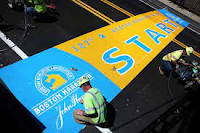
Every April, thousands of runners line up in Hopkinton and begin a 26.2-mile journey to Boston. The Boston Marathon isn’t just a race, it’s a powerful metaphor for something most people struggle to master: building lasting health.
Too often, we treat health like a sprint. We chase quick weight loss, crash diets, or short-lived bursts of motivation. But real, sustainable health? That’s a marathon.
The Illusion of the Sprint
Sprints are exciting. They promise fast results and instant gratification. Think 30-day transformations, extreme diets, or punishing workout routines. They work temporarily. But just like trying to sprint all 26.2 miles, they lead to burnout, injury, or giving up entirely.
If you tried to sprint the entire Boston Marathon, you wouldn’t make it past the first few miles. Health works the same way. When you go too hard, too fast, your body and mind push back.
The Discipline of the Marathon
Marathon runners don’t rely on motivation they rely on discipline, consistency, and strategy.
They train for months. They pace themselves. They fuel properly. They rest when needed.
The same principles apply to your health:
- Consistency beats intensity. A 30-minute walk every day outperforms an occasional 2-hour gym session.
- Pacing matters. You don’t need to overhaul your entire life overnight.
- Recovery is part of the process. Sleep, hydration, and stress management aren’t optional—they’re essential.
The runners crossing the finish line on Boylston Street didn’t get there overnight. They earned it step by step.
Expect the “Heartbreak Hill” Moments
Every marathon has its breaking point. In Boston, it’s famously known as Heartbreak Hill, a grueling stretch late in the race when fatigue sets in.
Your health journey has these moments too:
- Plateaus where progress stalls
- Busy seasons where routines slip
- Injuries or setbacks that test your commitment
These aren’t signs of failure they’re part of the course.
What matters is how you respond. Do you stop, or do you adjust your pace and keep moving forward?
Progress Over Perfection
No marathon runner has a perfect race. There are missteps, bad miles, and unexpected challenges.
The same is true for your health:
- You’ll miss workouts
- You’ll have days where your nutrition isn’t ideal
- You’ll lose momentum at times
But progress isn’t about perfection—it’s about persistence. One bad day doesn’t erase weeks of effort, just like one slow mile doesn’t ruin a race.
Build a System, Not Just a Goal
Finishing the Boston Marathon isn’t about willpower on race day it’s about the system built long before the starting line.
If your health is only goal-driven (“lose 20 pounds,” “get in shape for summer”), it’s fragile. But if it’s system-driven, it’s sustainable.
Focus on:
- Daily movement
- Balanced nutrition
- Consistent sleep
- Stress management habits
These are your training runs. The results take care of themselves.
The Finish Line Is Just the Beginning
Here’s the truth most people miss: marathon runners don’t stop running after one race. Health isn’t something you achieve—it’s something you live.
Crossing the finish line on Boylston Street is a moment. Living a healthy life is a lifestyle.
Final Thoughts
The next time you feel tempted by a quick fix, remember this:
You’re not training for a sprint—you’re preparing for your own version of the Boston Marathon.
Slow down. Stay consistent. Trust the process.
Because the road to great health isn’t about how fast you start it’s about whether you keep going.
Sunday, September 21, 2025
AIMC Health Tip - Running or Walking? What is Better For You?
Neither running nor walking is inherently "better;" the best choice depends on your personal health, fitness goals, and preferences. Running offers greater calorie burn, improved cardiovascular intensity, and bone health benefits in a shorter time but is higher impact and can be taxing on joints. Walking is a lower-impact, more accessible exercise that is ideal for beginners, people with joint problems, and those who prefer a less intense workout, providing significant health benefits with a lower risk of injury. Choose Running If:
- You want to burn calories quickly: and maximize weight loss.
- You want to improve cardiovascular fitness: and endurance in less time.
- You want to increase bone density: and reduce the risk of osteoporosis.
- You are new to exercise: or are returning after a break.
- You have joint issues: or other orthopedic conditions.
- You prefer a low-impact, accessible activity: that can be easily incorporated into your daily routine.
- You want to reduce stress: and anxiety.
- Impact: Running has a higher impact on the body due to the moment of flight and impact when landing, which can increase the risk of injury for some individuals. Walking is low-impact.
- Accessibility: Walking is easier to start and can be done at any time, making it more accessible to a wider range of people.
Saturday, August 2, 2025
AIMC Health Tip - Being Mobile - A Guide to Great Joint Health
Top Tips for Healthy Joints:
- Stay active with low-impact exercises (walking, swimming, cycling)
- Maintain a healthy weight to reduce joint stress
- Stretch daily to keep joints flexible
- Eat a balanced diet rich in omega-3s and antioxidants
- Consider high-quality supplements to support joint health
Saturday, April 15, 2023
The Road to Great Health Is A Marathon Not a Sprint
It is important to remember that the road to great health is a marathon, not a sprint. It takes time and dedication to make lasting changes to your lifestyle and habits. It is important to have realistic expectations and goals, and to remain patient as you work towards them. It is important to focus on small changes that you can make consistently, rather than to try and make drastic changes all at once. Finally, it is important to ensure that you are receiving adequate nutrition and exercise to support your journey.
Would you like to start today? Go to our AIMC Health Solutions website, http://www.aimchealthsolutions.com
Tuesday, March 29, 2022
The Right Mindset Is The Key To Be Active For Life
We all know the importance of staying active and we can certainly name a long list of benefits associated with increasing our physical activities. Why then if we know the benefits that there are still so many of us who fail to prioritize it. Is it due to lack of time or lack of motivation or both? Only you will know the answer.
Let’s take a moment to not focus on being fit or getting stronger but to just know how a simple act of movement if done consistently can make you happier. I truly believe that if we are happier, we will be healthier. If you are feeling stressed and overwhelmed, get moving might be the best thing you can do to start feeling better again. Stop making exercise a bigger task than it is. You don’t need to go to the gym or change into fancy exercise outfit to be active. The key is to move a bit more, sit a bit less and stand a bit more. As humans, we like to go on the road of least resistance, and we like to stay within our comfort zone. However, if our comfort zone is not serving us, we need to change whether we like it or not and the only way to creating any lasting changes is to focus on our mindset shift.
Take a sheet of paper and write out answers to the following questions?
- How am I feeling right now? Tired? Sad? Moody? Pain? Low energy? Lack of focus?
- When did I start to feel this way? A year ago, 5 years ago or you don’t even remember?
- What are the consequences if I continue with my sedentary lifestyle?
- What are the benefits if I start and maintain an active lifestyle?
- List out all the obstacles and excuses that will stop you from taking actions and create solution to overcome it/them.
- When do I want to get started? Set a date and time and stick to it no matter how difficult it is to start. You don’t need to be good to get started but you do need to get started to be good at it.
Next step
- Map out a realistic plan/routine that you are willing to do and able to do. If you can’t or detest running, don’t say I will run 30 minutes every morning.
- Take out your planner and schedule it NOW. If it is not SCHEDULED, it will not be DONE.
- Ask a friend/spouse/neighbor or even your kids to keep you accountable
- Stick to it for 30 days straight and you may start to fall in love with your new routine.
If you are not ready to take the leap with a plan as per above and want to keep it simple, the following suggestions is a great way to get started.
- Take the stairs instead of elevators or escalator
- March on the spot when watching your favorite TV shows
- Park further away in the parking lot
- Get off the bus a stop early and walk to your destination
- Turn on your favorite song and just dance (it doesn’t matter if you don’t know how to dance)
- Have fun and play with your kids (tag or catching ball)
- Find a walking buddy or accountable buddy
- Go out for an evening walk with your kids or spouse
Last but not least, remember it’s about progress and perfection. Celebrate your small wins, if you notice you sleep better, you smile more, then you are on your way to stay active for LIFE.
Monday, September 16, 2019
4 Ways to Shake Up Your Fall Fitness
1. Take Advantage of the Outdoors
- Logging a harder workout: According to the American Council on Exercise, when you’re active outdoors your body is encountering a constantly changing environment. Keeping up requires your body to adapt need to all of the small changes in your surroundings like slight inclines, wind, or obstacles which means you work harder than if you were running on a treadmill!
- No Membership Fees: With the holiday season right around the corner, wouldn’t it be great if Fall fitness didn’t add to the financial stress? With outdoor workouts, all you need is you!
- Cleaner Air: While gyms (at least the good ones!) have decent ventilation systems that keep the air moving, those indoor systems still can’t provide the same clean air as the great outdoors! According to the Environmental Protection Agency, indoor spaces can be more polluted than outside. This is especially true in larger cities, which only adds to the list of pros.
2. Change When You #FindYourFit
3. Hop on the Treadmill (or Off of It!)
4. Get Creative with Circuits
- Warm Up: Walk 10 minutes
- Easy Jog: 2-3 minutes
- Run: 2-3 minutes
- Sprint: 30-45 seconds
- Recover: Walk or jog until your breathing returns to normal.
- Strength Move: 60-90 seconds, complete as many of one of the following:
- Push-ups
- Triceps dips
- One-legged squats
- Split Squats
- Burpees
- Plank Hip Dips
- Jump Squats
- Side-to-Side Skater
- Warm Up: Jump-rope 10 minutes
- Tuck Jumps: 12-15 reps
- Push-Ups: 12-15 reps
- Jumping Jacks: 45 seconds
- Rest: 30 seconds
- Air Squat: 12-15 reps
- Mountain Climbers: 12-15 reps
- High Knees: 45 seconds
- Rest 30 seconds
- Tricep Dips: 12-5 reps
- Glute Bridges: 12-15 reps
- Burpees: 45 seconds
- Rest: 30 seconds
Friday, June 16, 2017
Health/Wellness - The Confusing Diet Industry
From buying processed foods to high-intensity exercises that require hours to do, many weight loss gimmicks just lead people to being frustrated and confused. So many programs out there put such an emphasis on what to eat and do not teach someone how to eat. Unfortunately, they focus heavily on the number on the scale and not true fat loss. They do not take into account supporting hormones, metabolic changes or digestive issues.
In order to help you understand the diet industry, I would like to break it down into the following categories:
Food and Drink:
Think about all the commercials on television trying to entice you to buy their diet sodas, feed your kids their high-sugar cereal for breakfast and lose weight by buying meals that you question if it is really chicken or not!
Pharmaceuticals:
There are medications and over-the-counter pills available that are prescribed or recommended to help a person not feel hungry. These are often called appetite suppressants. All they do is expand in the stomach to make the user feel full. Unfortunately, without eating, they are not getting nutrients and thus end up storing fat.
Clinical:
People feel that their last hope is invasive surgery. When they resort to it, they often are not taught how to eat, or which vitamins to take to provide long-term success.
Supplements:
Fortunately, there are ingredients that can support a person's needs. However, not all are created equally. The proper ones are backed by science and support different body needs. If a supplement says it'll treat or cure you a disease, run far away from it!
Gym Memberships & Fitness Equipment:
Think about how many people spend money on memberships but never use them, or buy the latest infomercial exercise DVD promising to blast the fat away forever!
The problem is people are confused. They don't know if they should eat or not eat. Do two hours of yoga exercise or cross-fit. Eat gluten free or not. Fortunately, there are great programs that focus on four components that are all backed by science: low-glycemic-impact eating, changing body composition, supplementation and education.
The first component, low-GI eating, helps improve blood sugar levels, which can help the body burn more fat. This allows the other components to work optimally, and the education component ensures the program is never confusing.
There are plenty of resources out there to help you stay on track and understand your weight loss journey so good luck and look great!
Monday, April 17, 2017
Your Health is a Marathon Not a Sprint - Inspiration from The Boston Marathon
AIMC Cybersecurity Tip - Your Company Data Isn’t the Only Data You’re Responsible For -
Cybersecurity isn’t just an IT issue. It’s a business responsibility. Watch our video here - AIMC Cybersecurity Tip - Your Company Data I...
-
AIMC Business Solutions is always looking for ways to connect professionals to the best products, services and people to help grow their b...
-
I have been in the world of business professional networking for over thirteen years and there has never been a better time to reach out and...